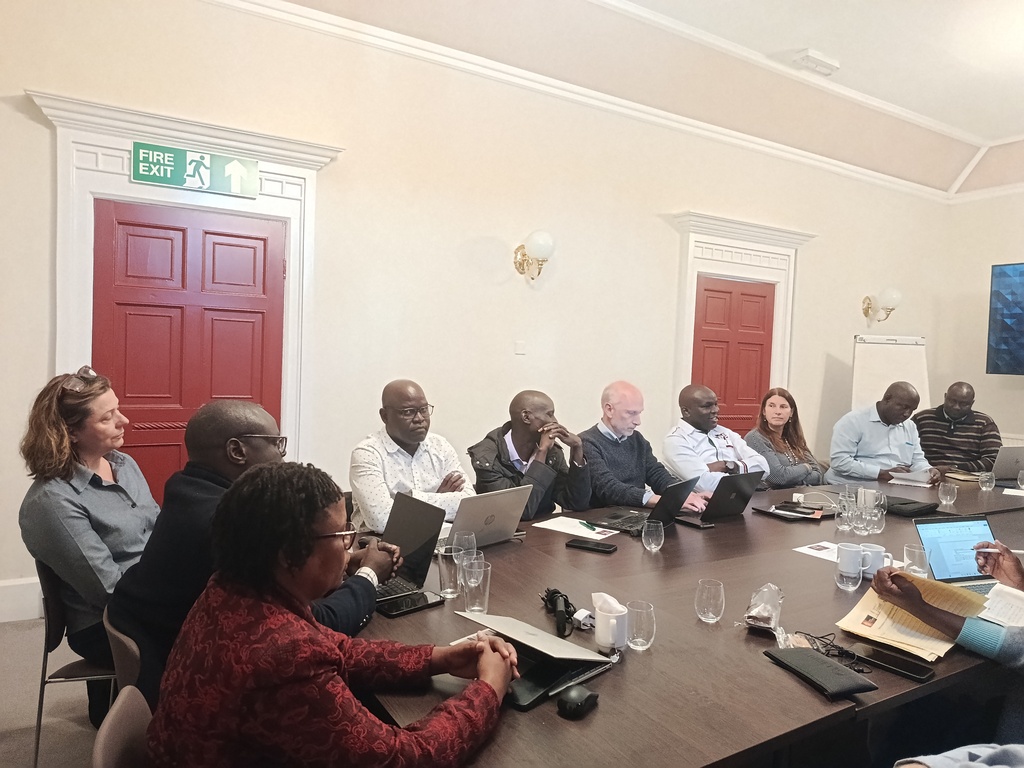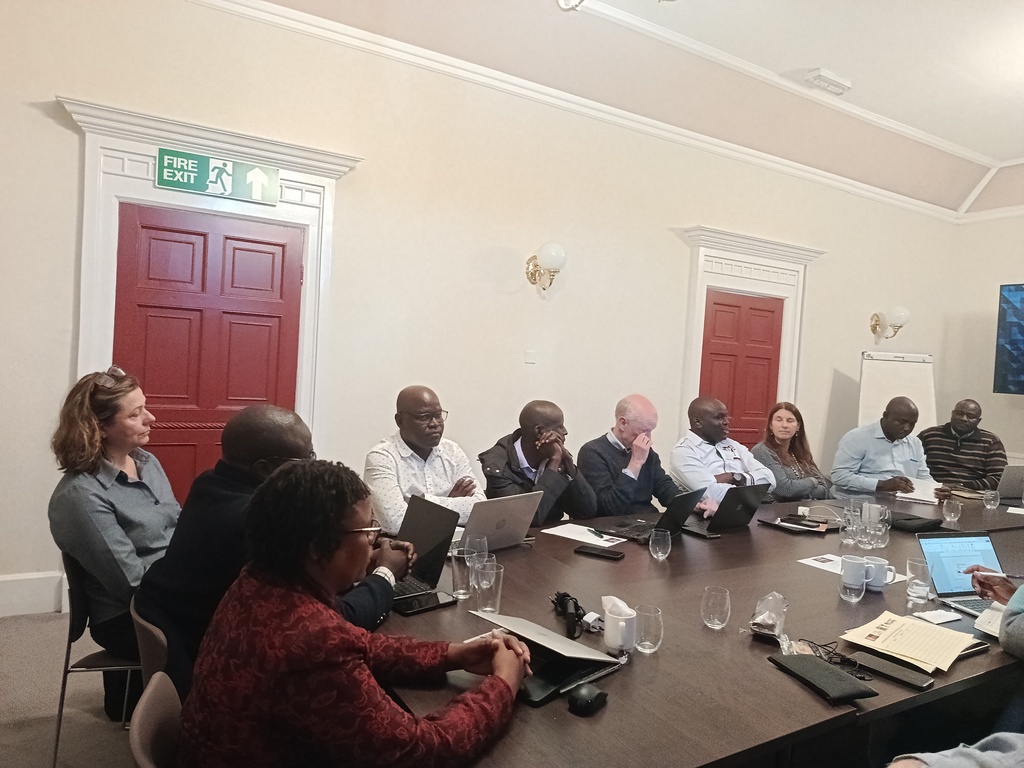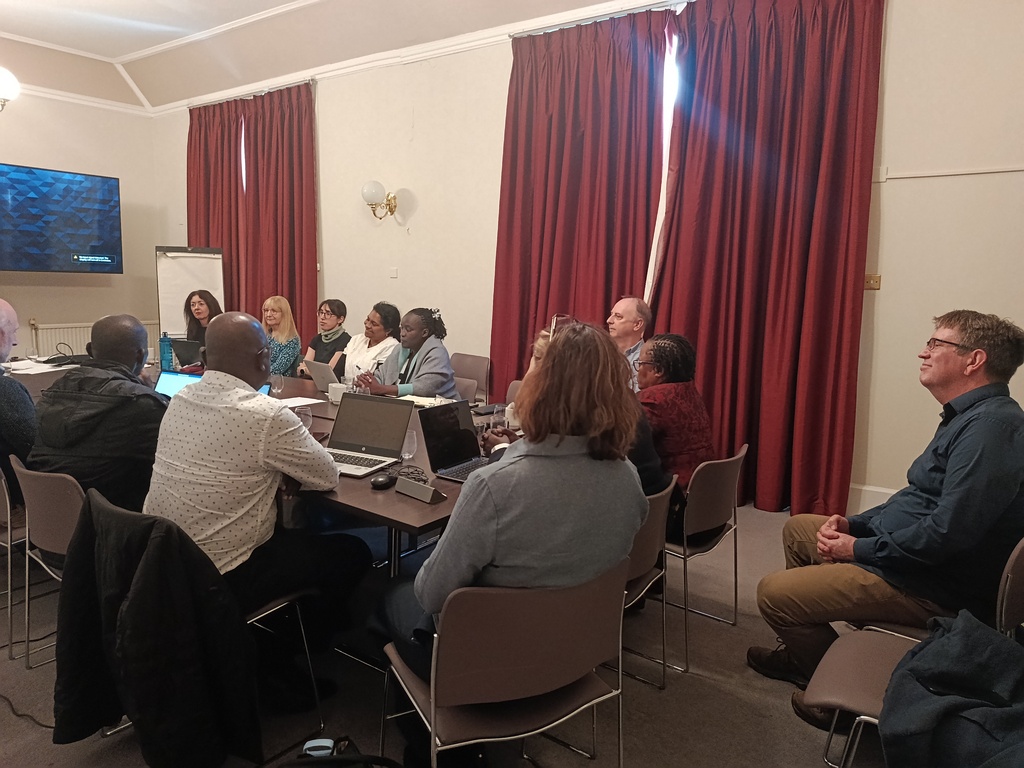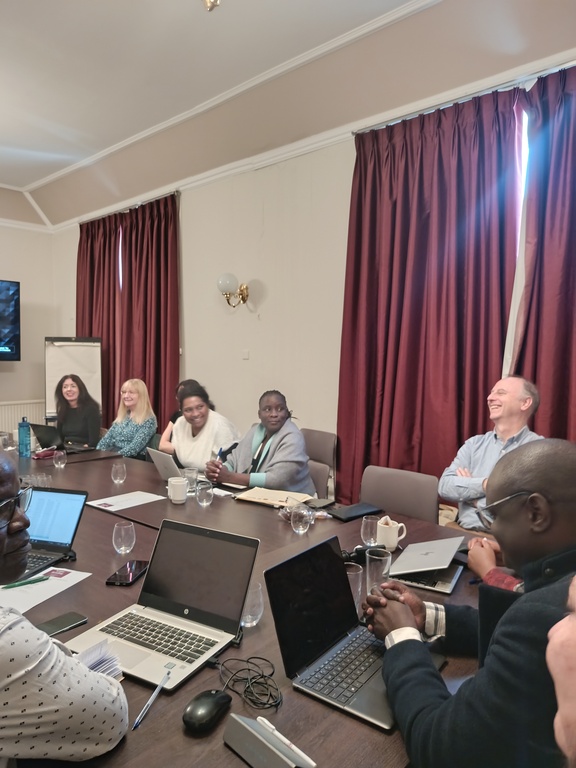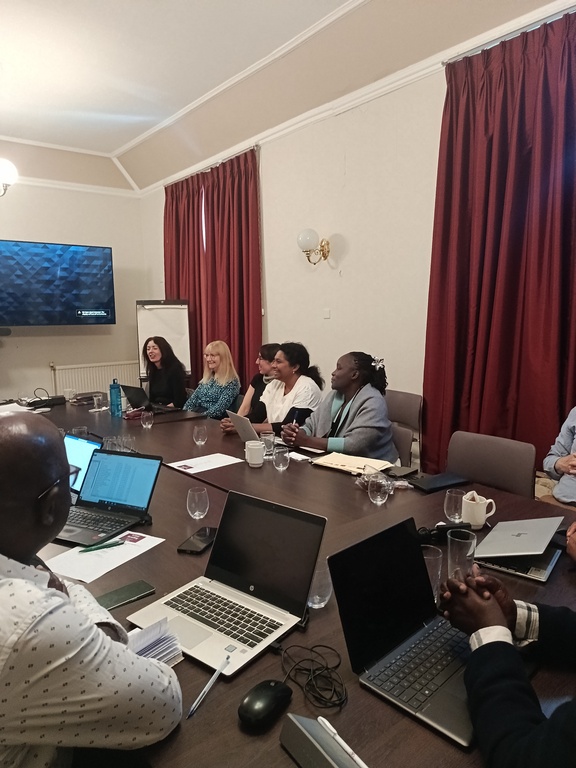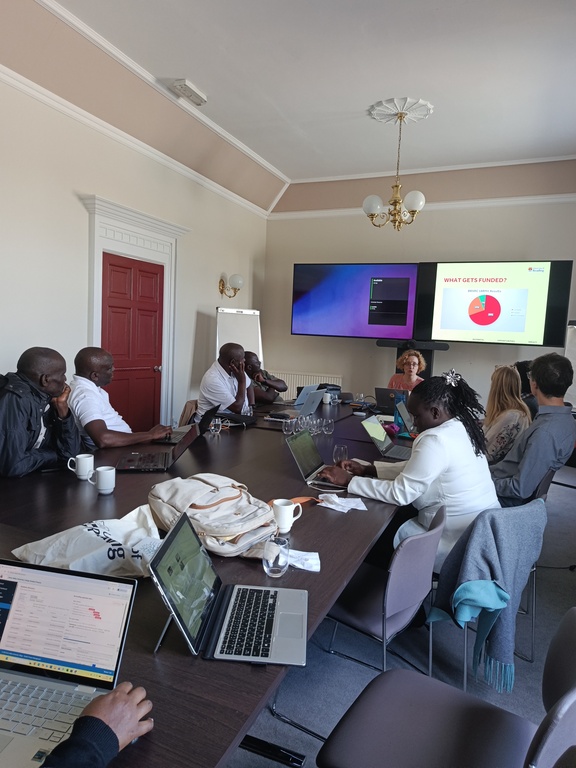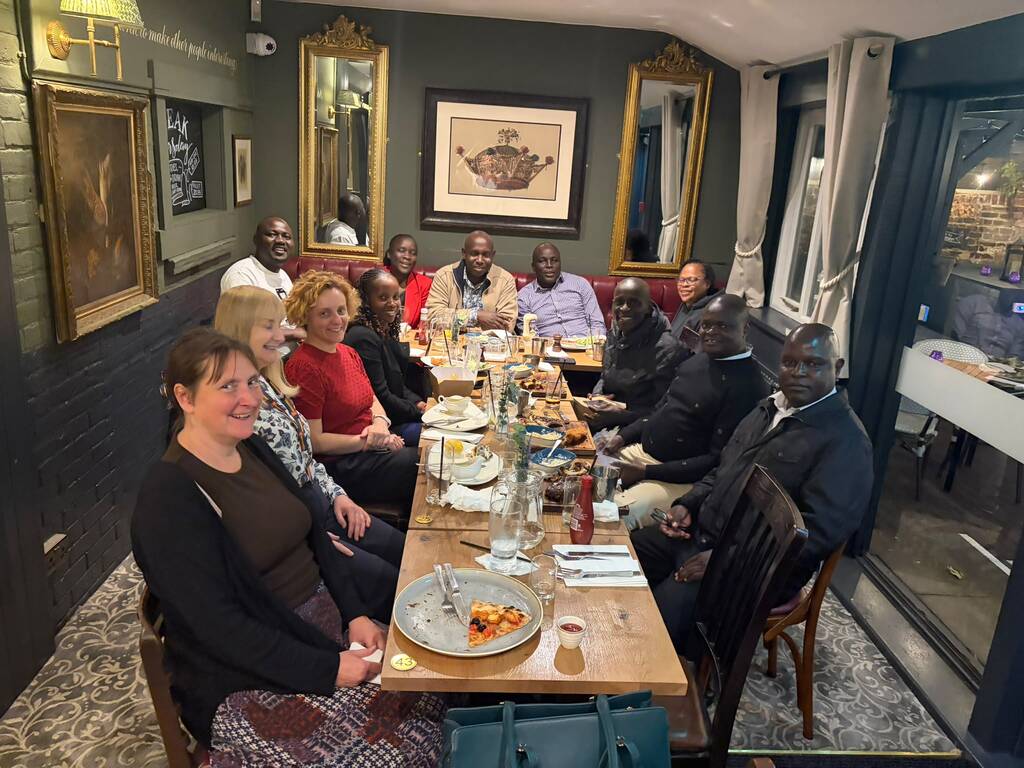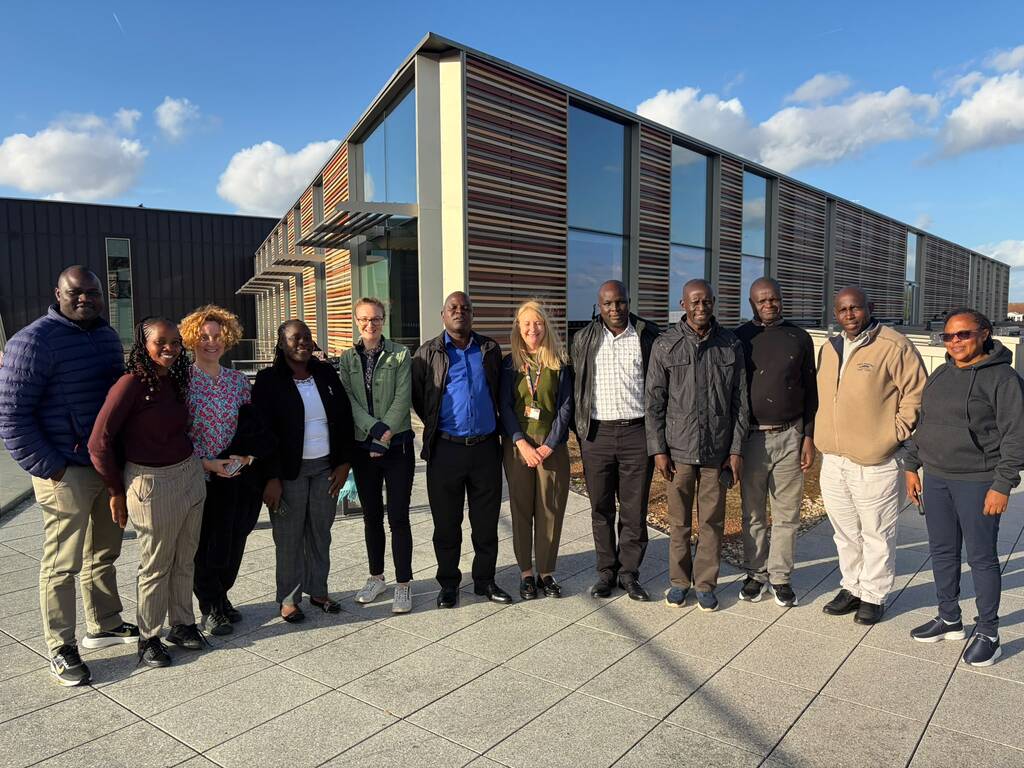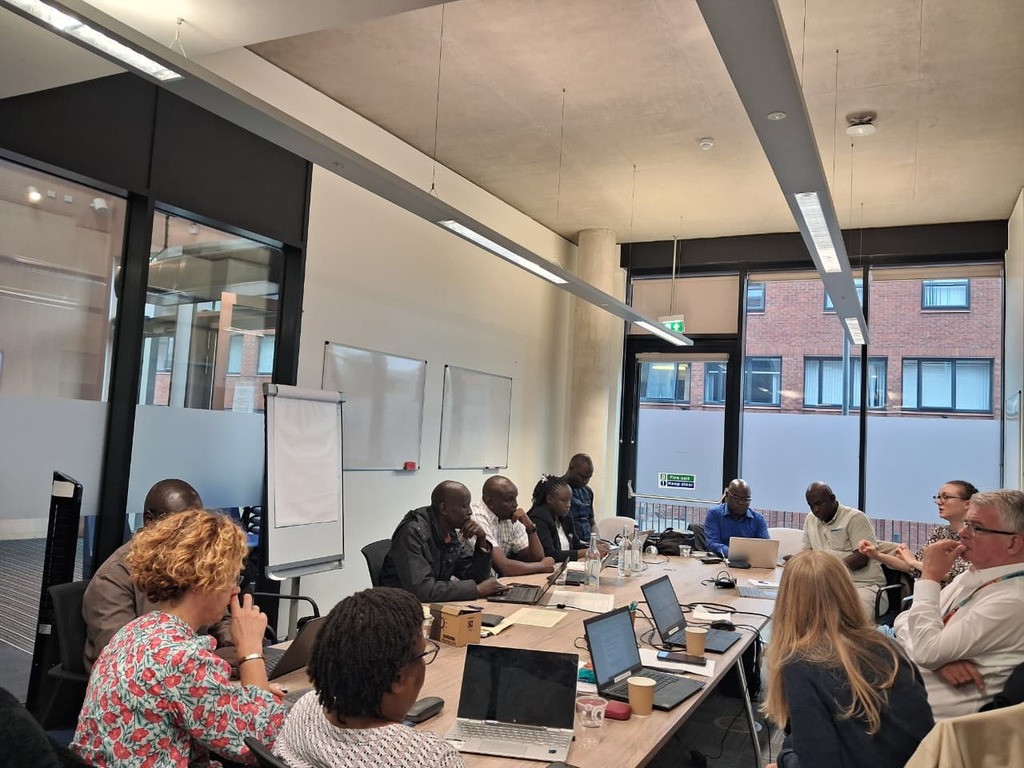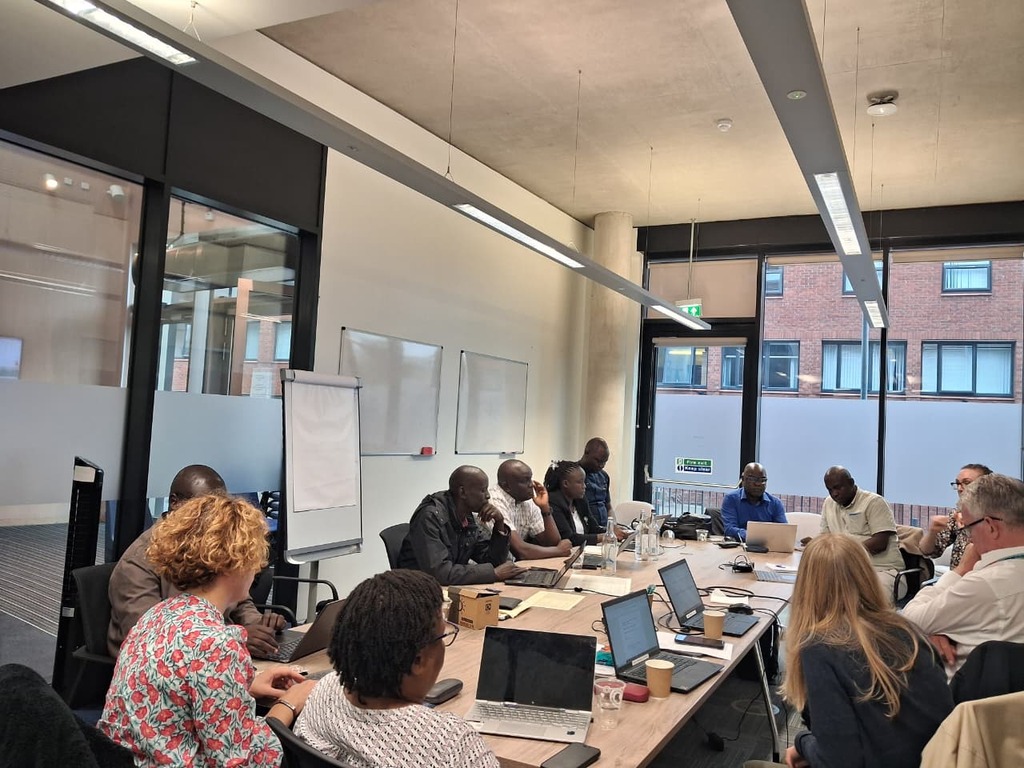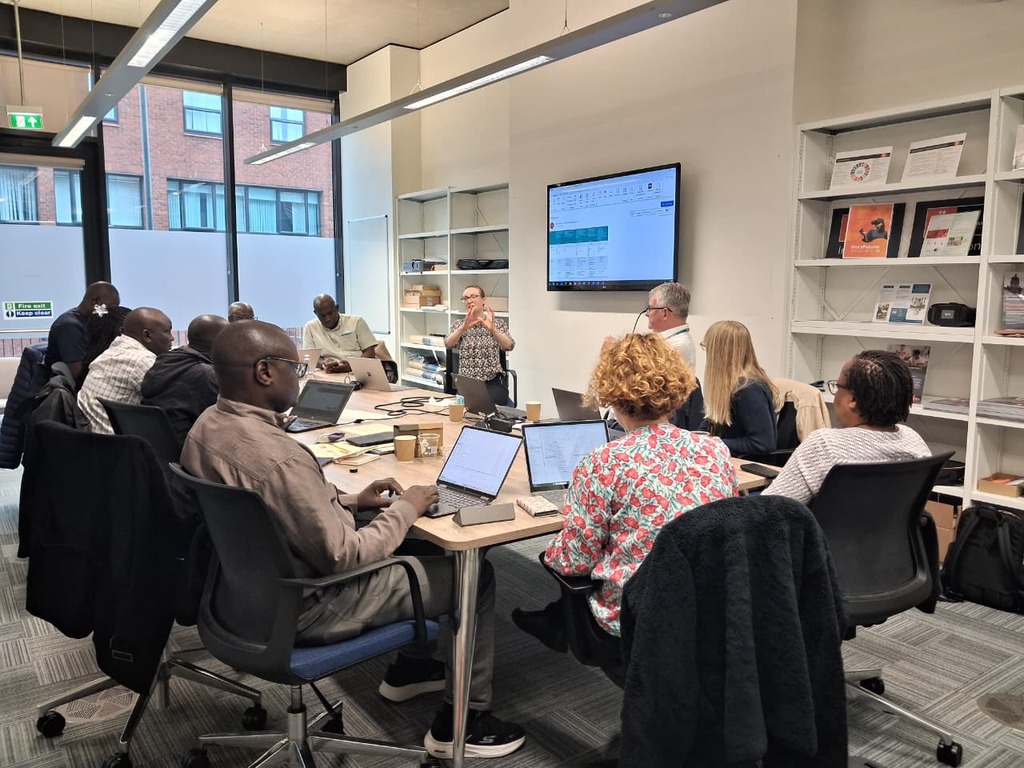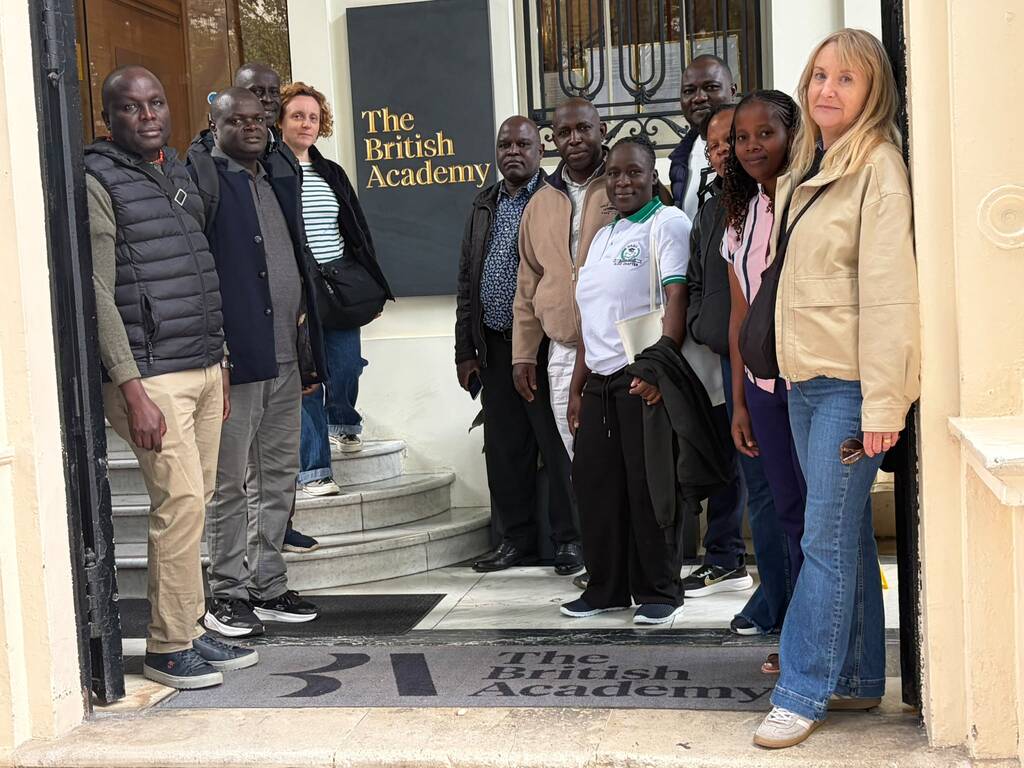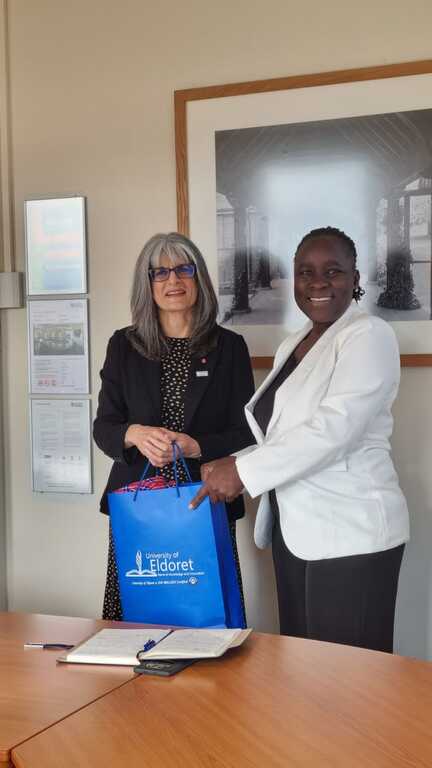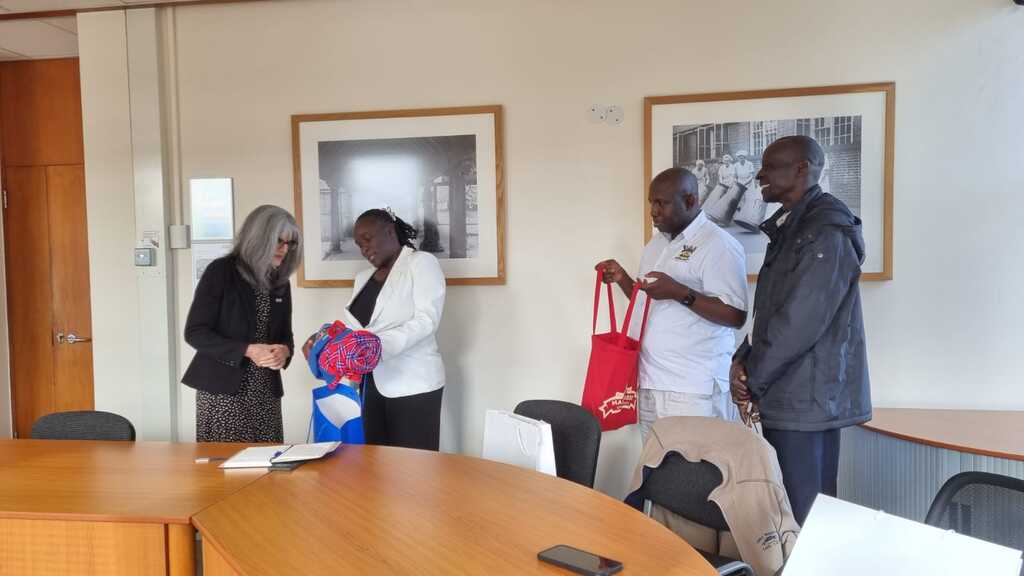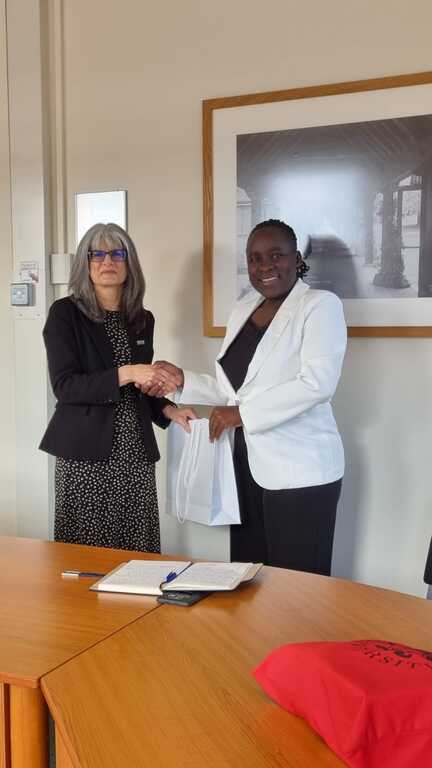

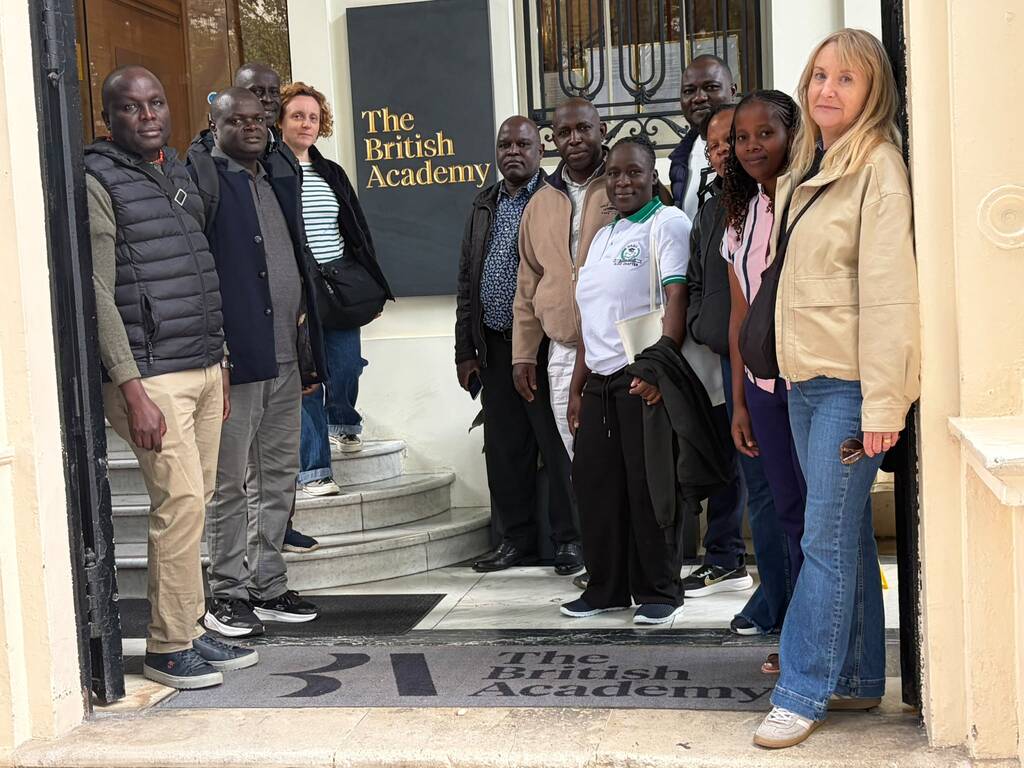
Participants from the University of Eldoret took part in the second UK workshop of the Research Management Capacity Strengthening project, held at Royal Holloway, University of London (RHUL) on 12–13 October 2026 and at the University of Reading on 14–15 October 2026. The project is funded by the Overseas Development Assistance (ODA) Research Management Capacity Building Grant of £49,994 awarded to the three institutions by the British Academy. It is jointly led by Dr. Hilary Lynch – Head of Strategic Grants at Royal Holloway, University of London, Dr. Becky Aloo – Head of the Intellectual Property Management Office at the University of Eldoret, Dr. Manasi Echaune – Coordinator of Research and Innovation at Kibabii University, and Prof. John Baptist Tumuhairwe – Dean & Associate Professor at Makerere University’s College of Agricultural Sciences. The University of Eldoret delegation to the UK included Dr. Becky Aloo, Dr. Jafred Muyaka, Christine Tomno and Diana Bii.
Earlier workshops introduced the partners to the research management systems at RHUL. This workshop focused on toolkit development: working together to adapt UK tools, templates and training materials so that they suit East African universities. The workshop aimed to:
- Develop a pre-award costing tool that incorporates the EU costing sheet;
- Build due diligence forms and a policy checklist that meet funders’ expectations;
- Adapt IP and commercialisation tools and training documents;
- Review UK and EU research contract templates;
- Assemble grant-writing and impact training materials for the African context;
- Agree actions to carry the work to the end of the project.
On Day 1 at RHUL, finance teams worked on the costing tool while the policy team studied due diligence processes, including how the University of Reading assesses partners before a grant is submitted. On Day 2, the participants looked at the route from invention disclosure to licensing or spinout, practised the business model and value proposition canvases, and reviewed tools such as a pitch deck template, an invention disclosure form, and assessment tools for deciding which innovations to commercialise. The workshop then moved to the University of Reading. Day 3 covered research contracts, including the Brunswick collaboration agreement and the DESCA consortium agreement, as well as advance payments and project set-up. Day 4 reviewed grant-writing training packages from Scriptoria, Tanzania and Reading, and a session on how to plan, demonstrate and report research impact. Participants also met academics at both universities and the Pro-Vice-Chancellor of the University of Reading.
Key outcomes
- A costing tool for East African institutions: a pre-award costing tool that incorporates the EU costing sheet, supporting more accurate grant budgets.
- Policy and due diligence resources: forms, templates and a policy checklist to help institutions meet the requirements of UK and international funders.
- Stronger IP and commercialisation tools: adapted templates, including an invention disclosure form and a spinout versus licence assessment tool.
- Contract templates: annotated Brunswick and DESCA agreements to support the negotiation of research collaborations.
- Shared training materials: agreement on the content of a grant-writing and impact toolkit that universities in the region can use.
Image Gallery