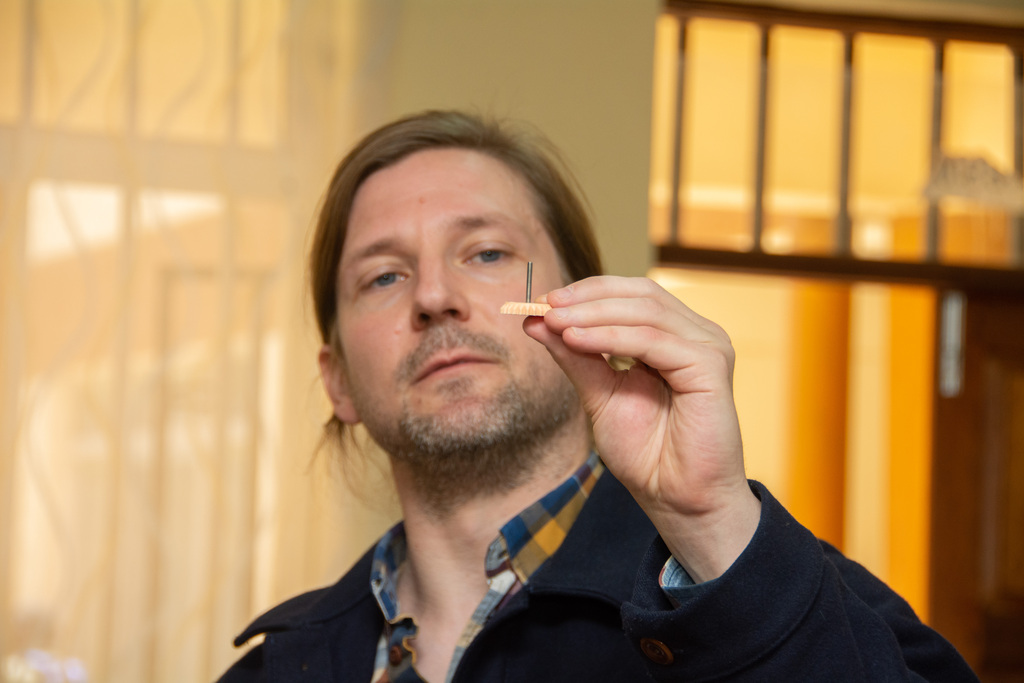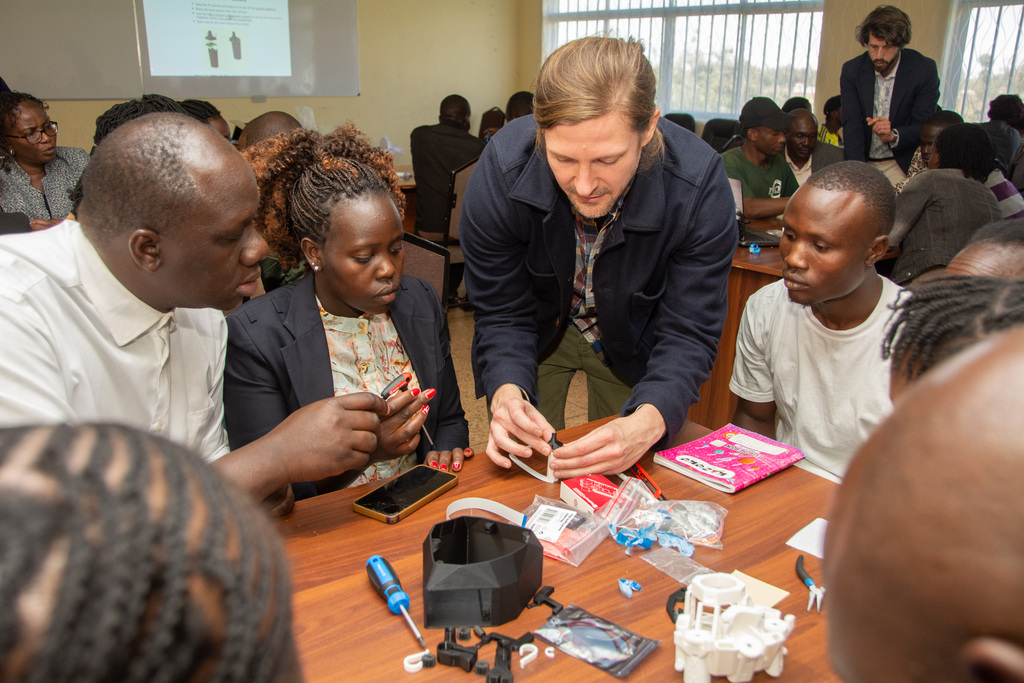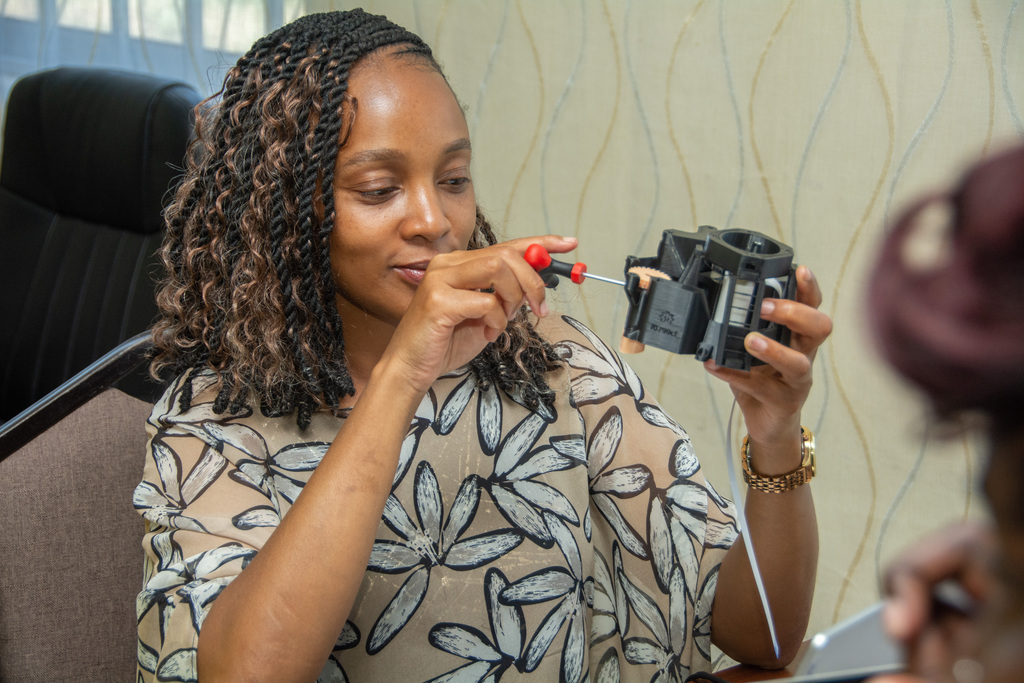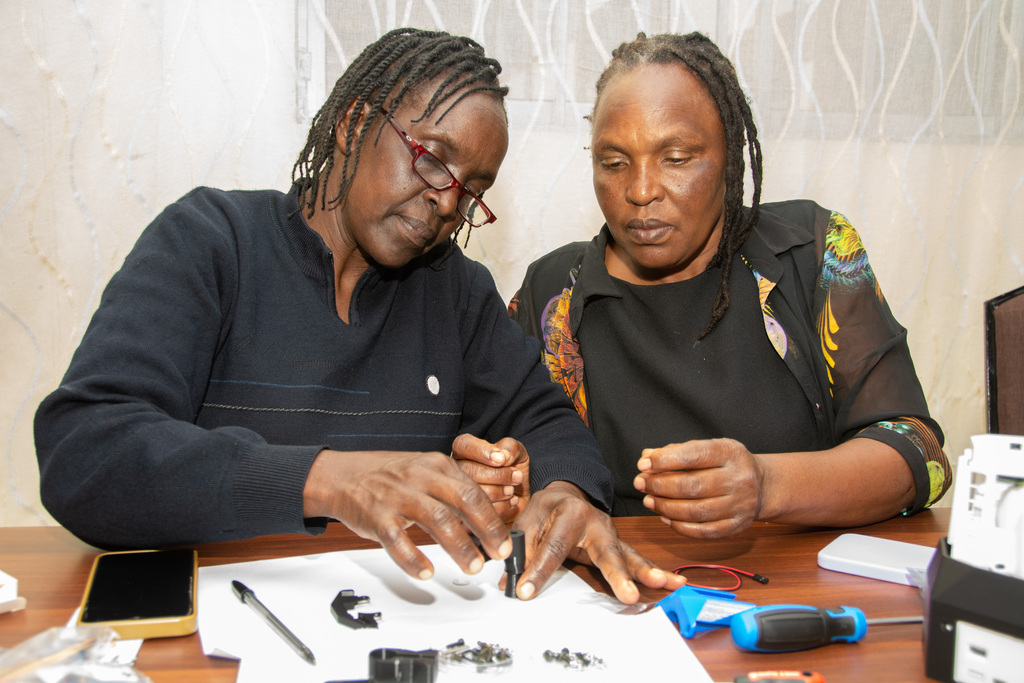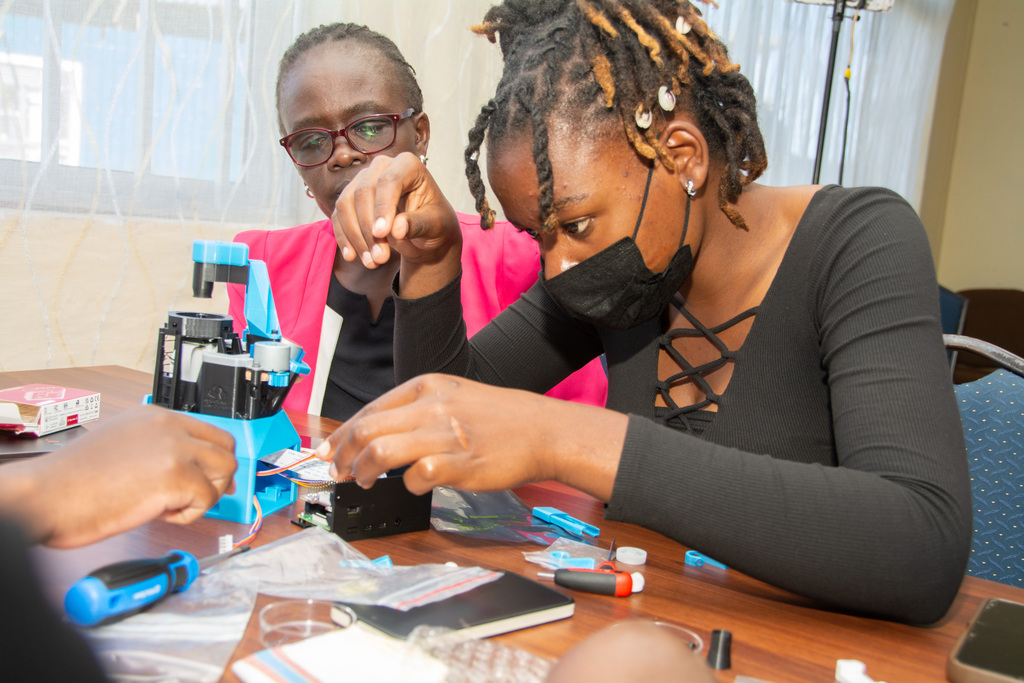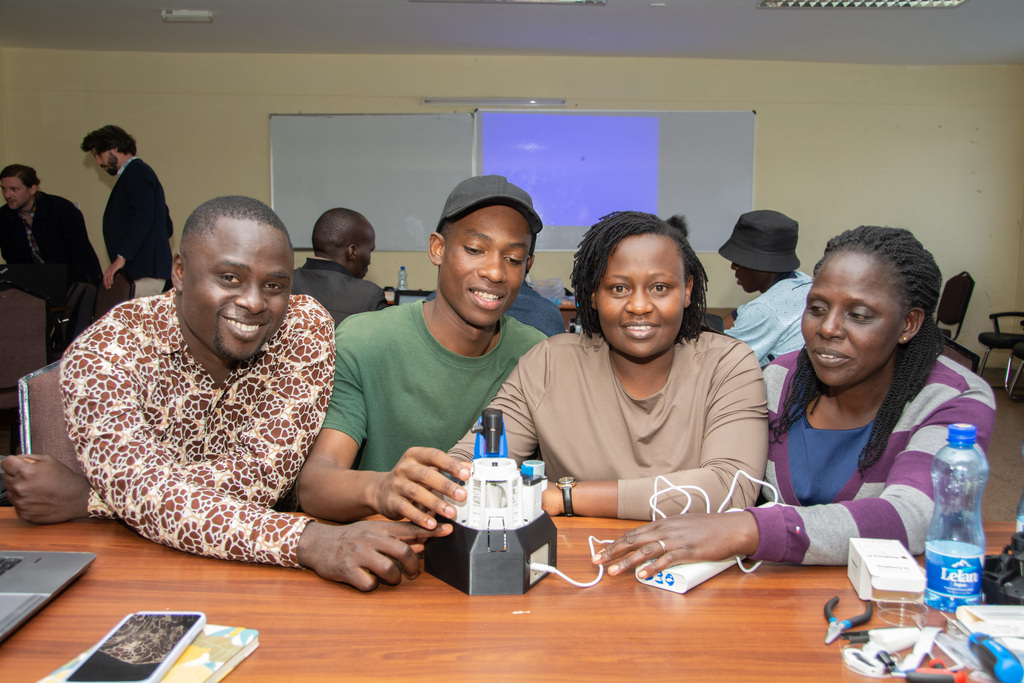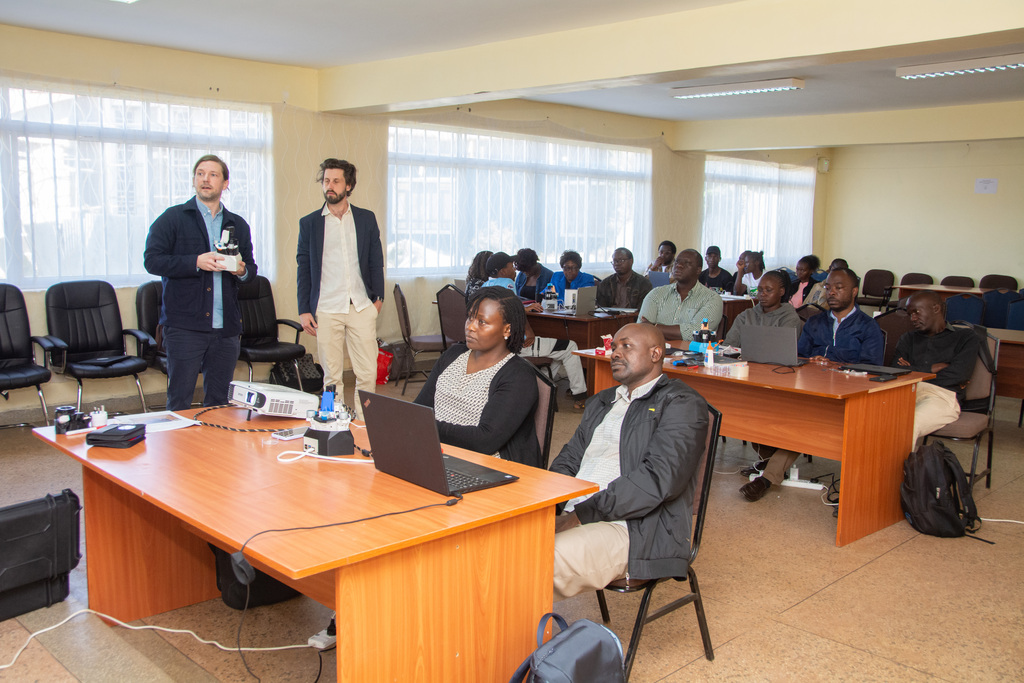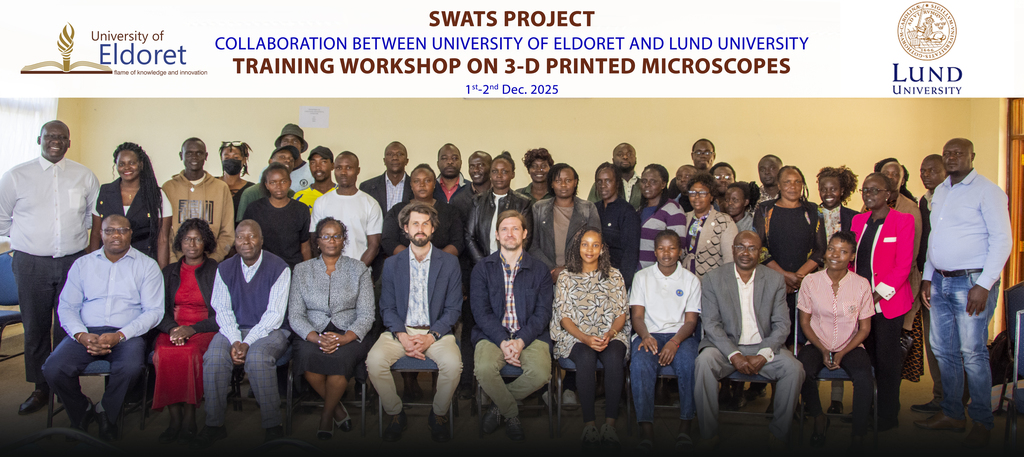

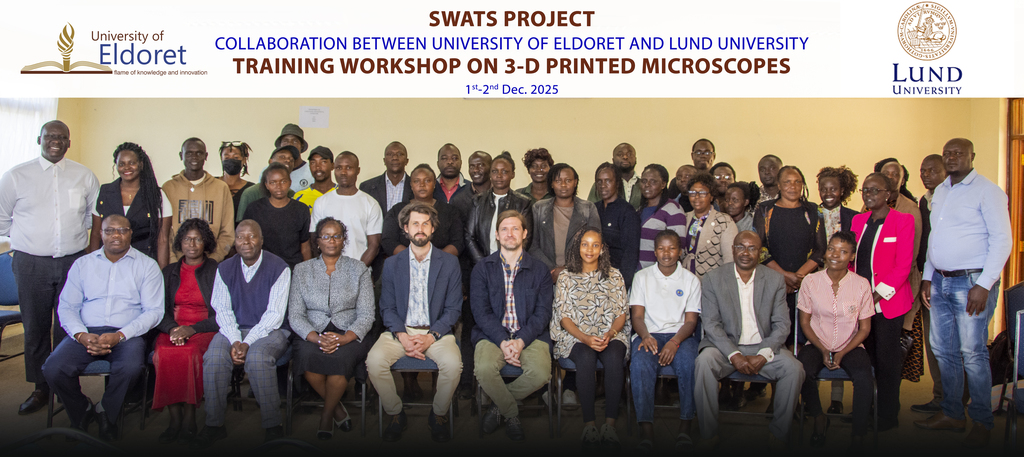
The University of Eldoret under the Strengthening Water Assessment and Technology (SWAT) Project recently hosted a 2-day hands-on training workshop on the design, assembly, and application of low-cost, 3D-printed microscopes. The training, conducted by Mr. Per Wilhelmsson and Mr Jacob de Fine Licht, visiting collaborators from Sweden, aimed to enhance research and teaching capacity in aquatic and environmental sciences through the use of accessible and innovative microscopy tools. The SWAT Project is an international partnership bringing together four institutions: University of Eldoret (Kenya), Chinese Academy of Sciences (China), Lund University (Sweden) and Sokoine University of Agriculture (Tanzania). At the University of Eldoret, the project is led by Prof. Frank Masese and Prof. Lizzy Mwamburi of the Department of Biological Sciences.
The training workshop guided participants through the technical and practical aspects of the OpenFlexure 3D-printed microscope, a fully open-source optical instrument that offers high-quality imaging at a fraction of the cost of conventional microscopes.
Forty participants from the departments of biological and fisheries, attended the sessions, which covered:
- Introduction to 3D-printed microscope technology: concepts, components, and the open-source design philosophy.
- Hands-on assembly: step-by-step construction of microscope units using 3D-printed parts.
- Troubleshooting and optimization: common issues, maintenance, and opportunities for modification or customization.
The training ended with participants exploring how the microscopes can be integrated into teaching, research, community outreach, environmental monitoring, and citizen science, as well as improvements that can be made to improve the functionality of the 3D-microscope.
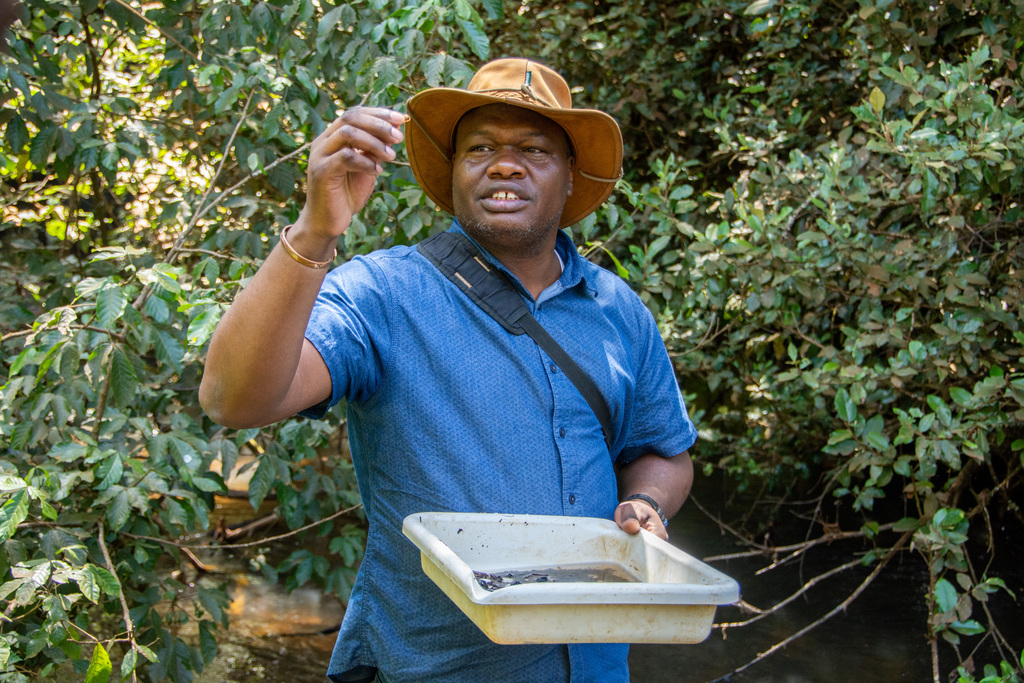
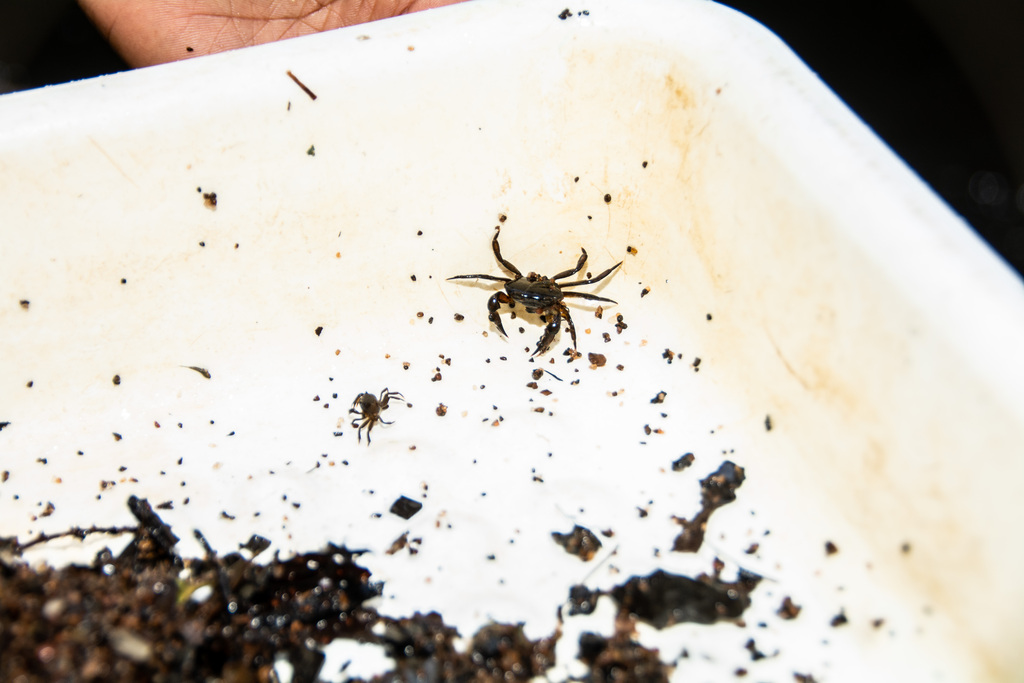
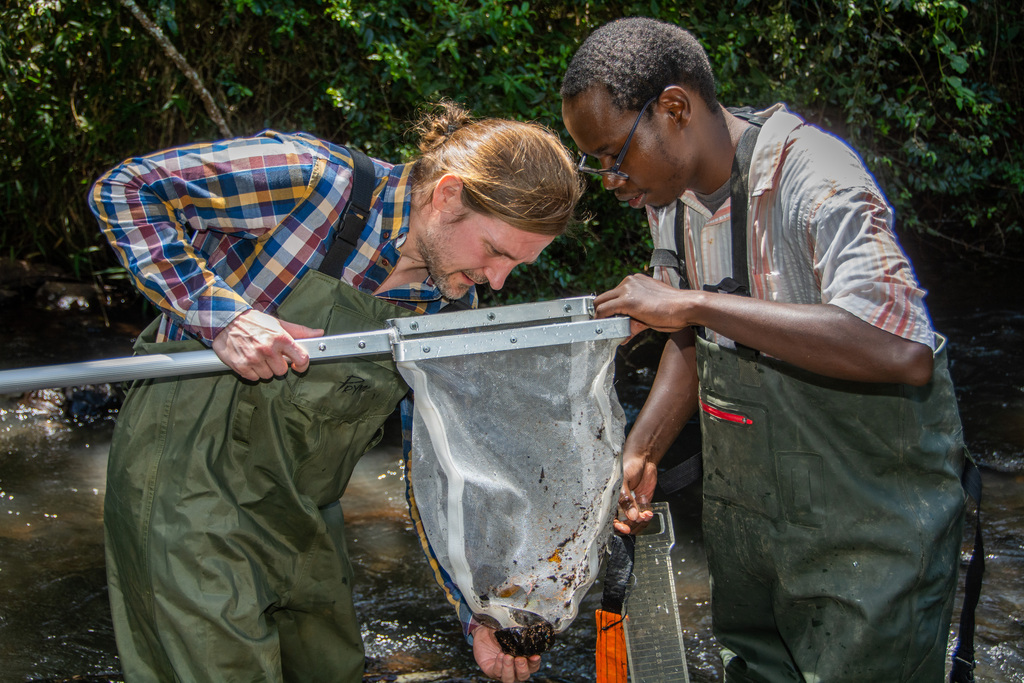
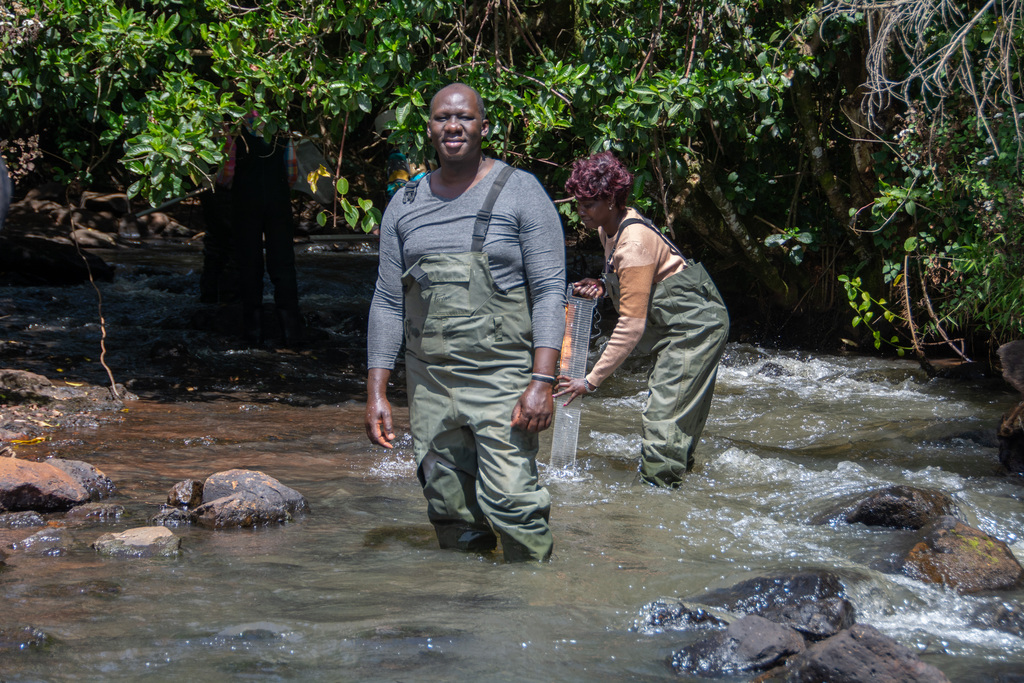
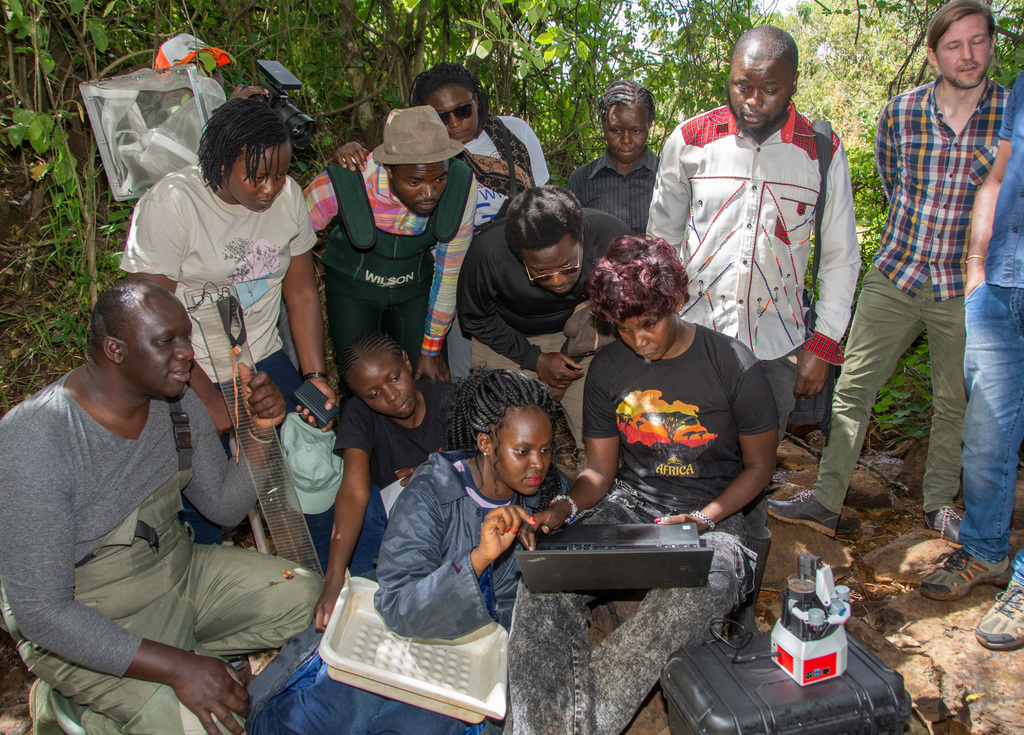
The highlight of the workshop was a field excursion, where participants collected environmental samples at the river Sosiani at Kaptagat and used the microscopes onsite. This practical session demonstrated the portability and flexibility of the 3D-printed system, qualities that make it especially valuable for field-based aquatic research and rapid environmental assessments.
By introducing researchers and students to a low-cost, scalable microscopy platform, the workshop supports one of the SWAT Project’s core objectives: improving access to essential scientific tools in East Africa. The 3D-printed microscope initiative not only reduces barriers to high-resolution imaging but also encourages innovation, local fabrication, and student-led research. The University of Eldoret remains committed to advancing collaborative scientific capacity and equipping its community with technologies that foster high-quality, locally relevant research.
Image Gallery