

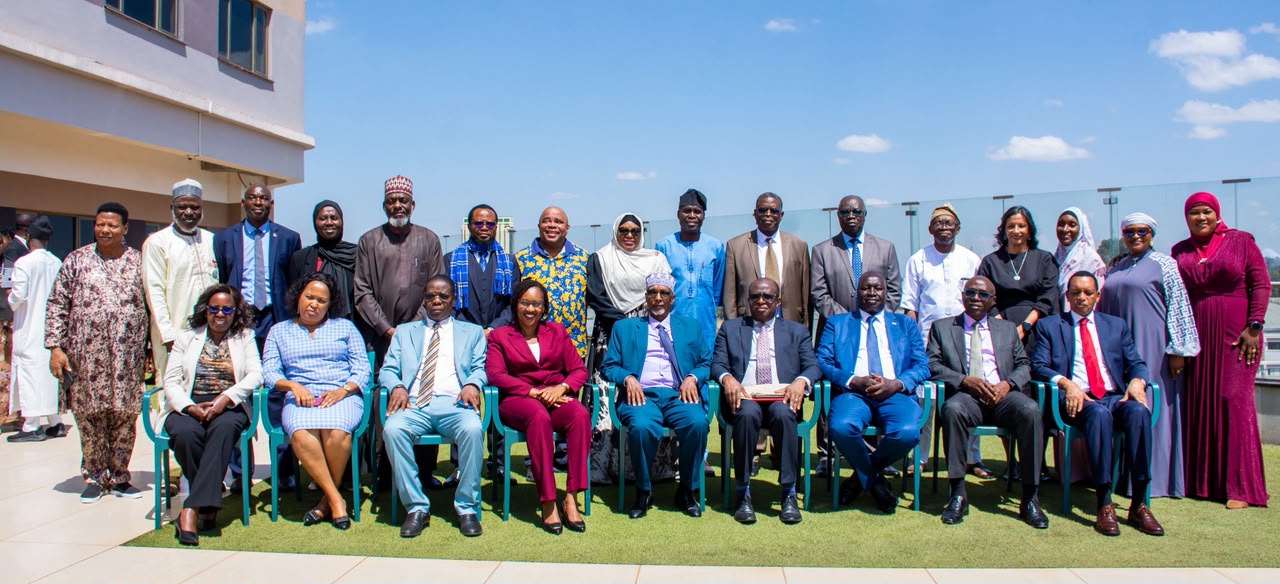
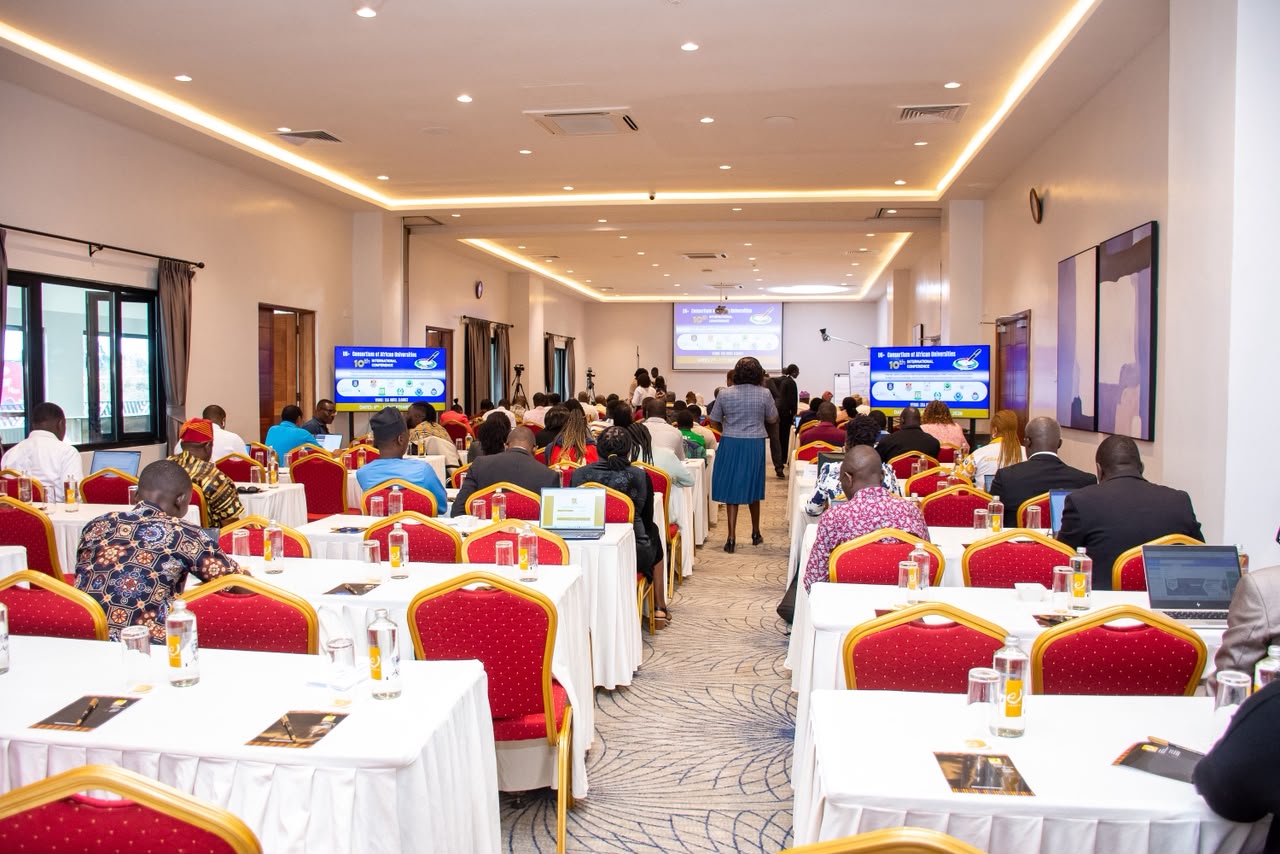
ELDORET, KENYA — The University of Eldoret (UoE) has strengthened its position as a hub for African academic research and collaboration after successfully hosting the 10th U6+ Consortium of African Universities International Conference and two high-level pre-conference workshops, from September 8 to 11, 2026. The conference received research papers and articles from over 40 institutions spread across Africa and beyond.
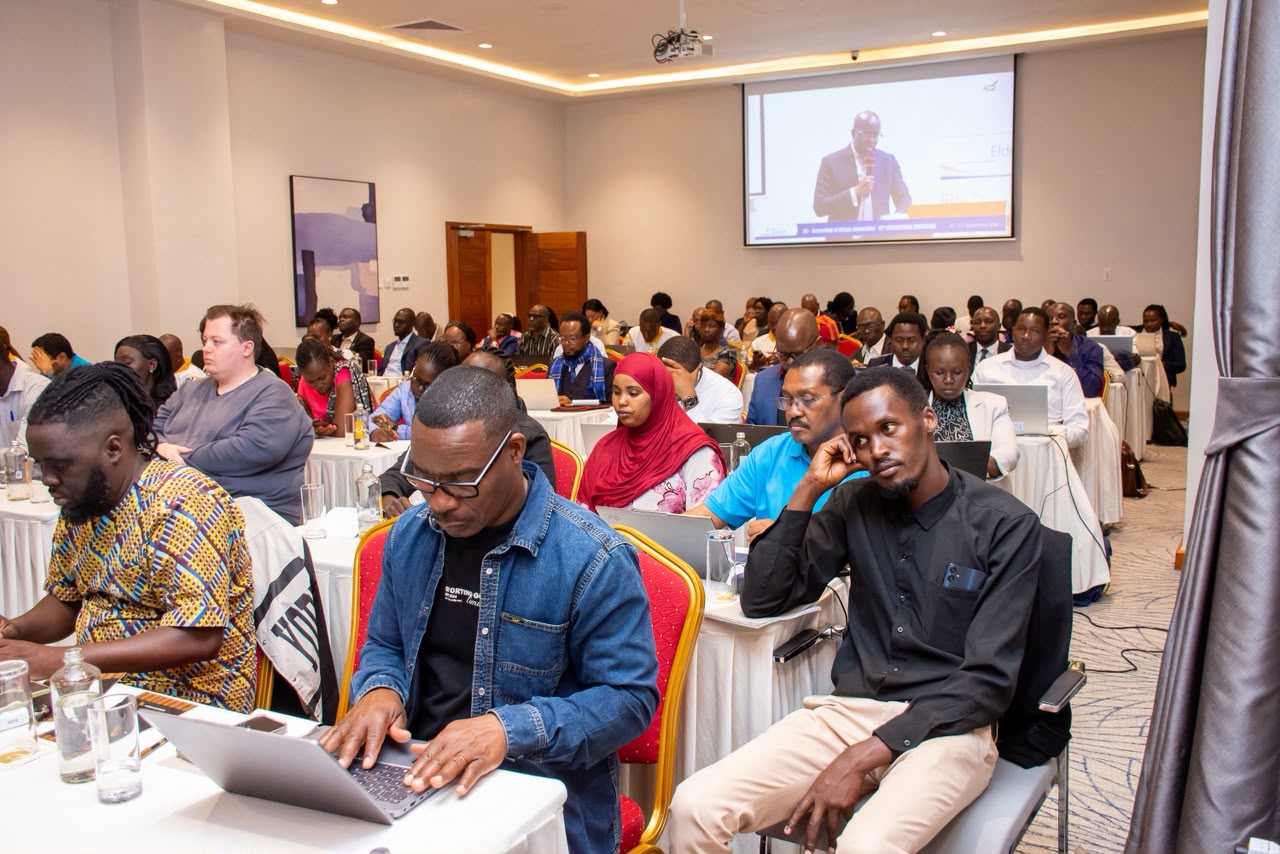
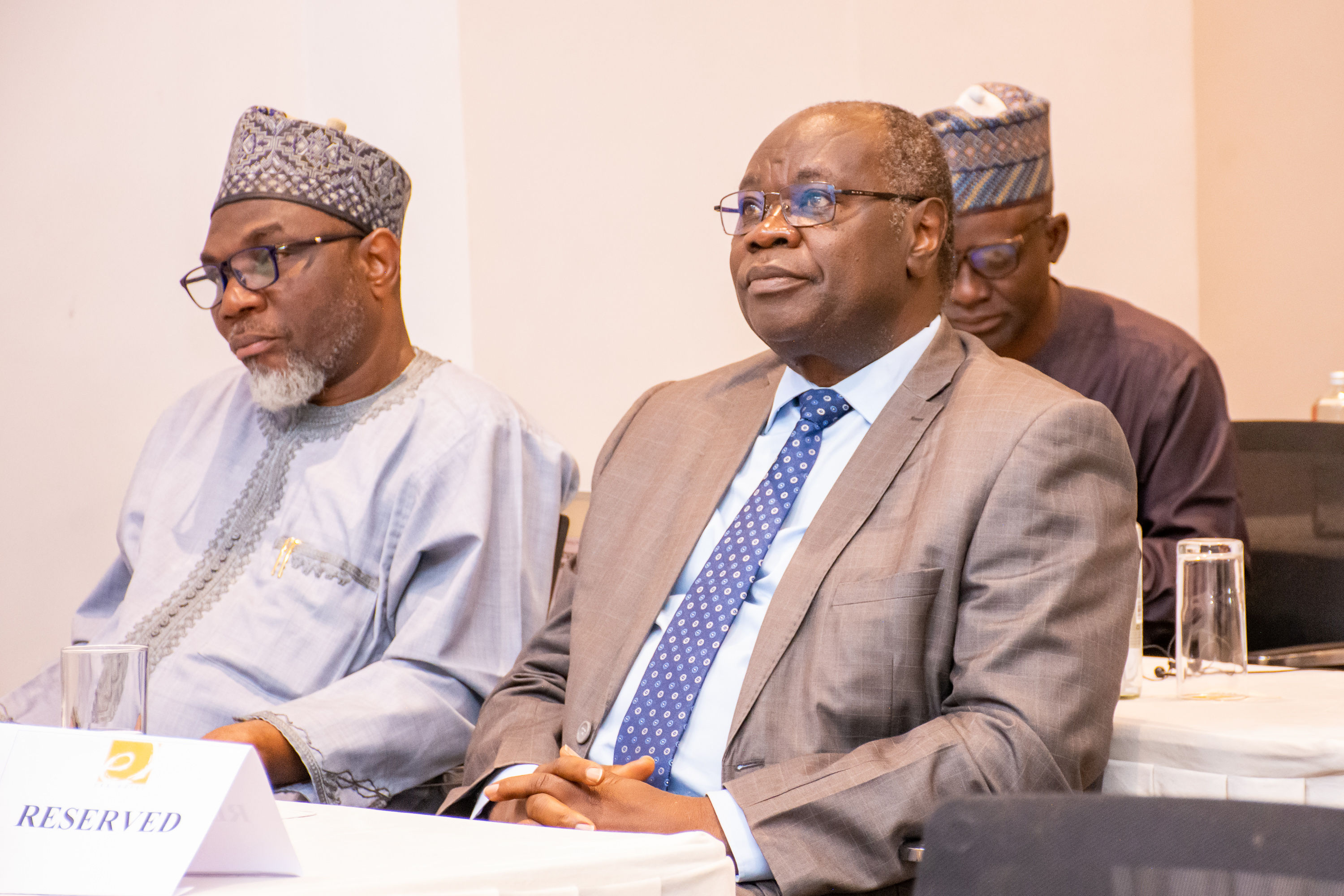
Held under the theme “Africa and the Fifth Industrial Revolution (5IR): Inclusive Innovation, Indigenous Knowledge and Citizen Science for Sustainable Transformation,” the conference brought together more than 200 delegates who included Vice-Chancellors, academics, researchers, policymakers, industry leaders and student representatives from across Africa.
Welcoming delegates, UoE Vice-Chancellor Prof. Thomas K. Cheruiyot emphasised the importance of positioning African universities at the forefront of research, innovation and sustainable development. He underscored the need for universities to move beyond knowledge generation to translating research into practical solutions that address Africa’s development challenges.
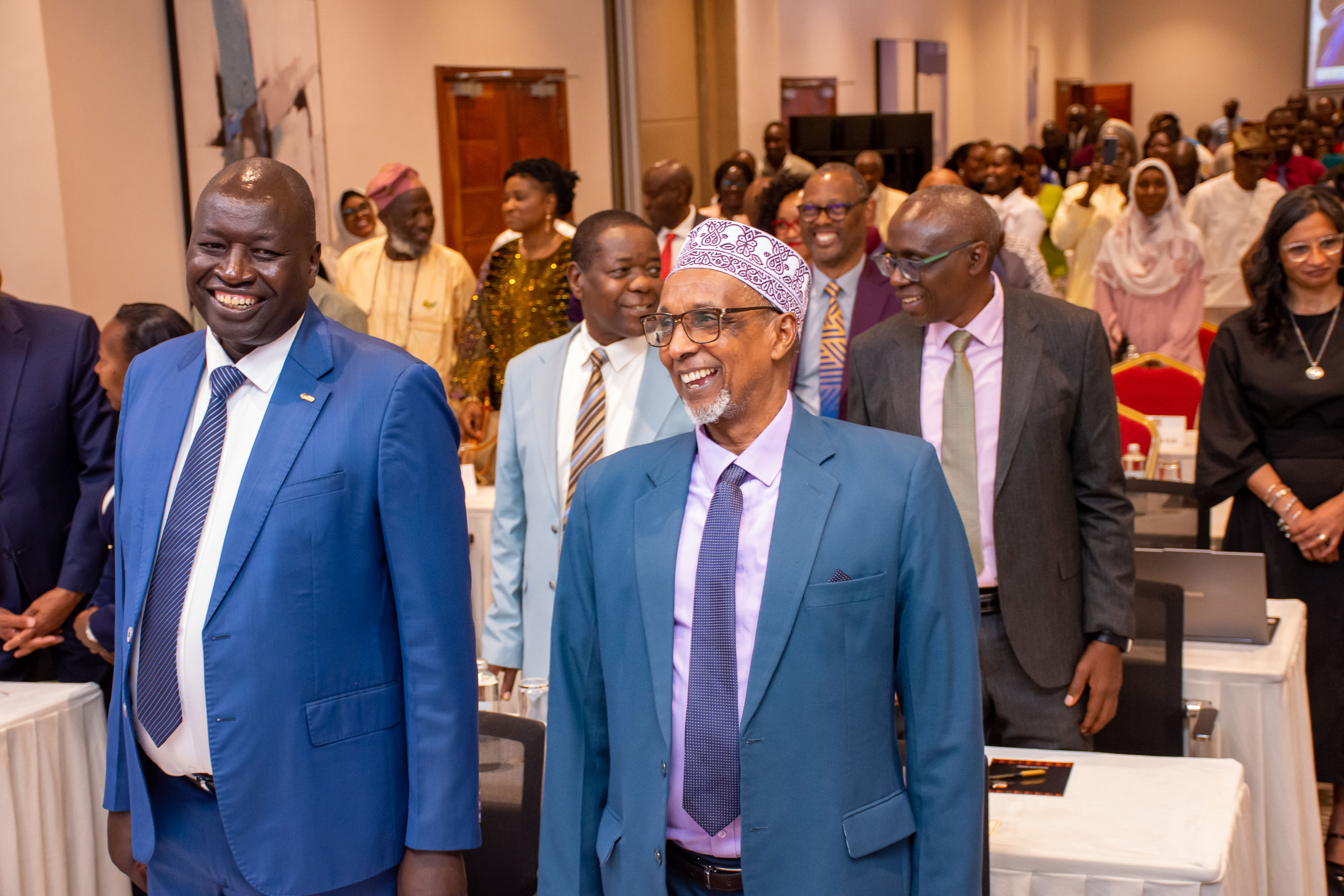
The Chairman of the UoE Council, Dr. Burro Hassan, highlighted the importance of strong institutional leadership, partnerships and investment in universities as engines of socioeconomic transformation.
The conference also marked an important leadership transition within the Consortium, with Prof. Thomas Cheruiyot assuming the Chairmanship of the U6+ Consortium of African Universities, succeeding Prof. Herbert Robinson, Vice-Chancellor of the University of the Gambia. The transition underscored the rotational and collaborative nature of the Consortium, which currently brings together 11 African universities, and still expanding.
Prof. Robinson, who chaired the Consortium during the conference, encouraged member universities to deepen collaboration, particularly in research, innovation, knowledge exchange and human-capital development.
Two distinguished lead speakers challenged delegates to rethink the role of universities in Africa’s transformation. Emeritus Professor Musbau Adewumi Akanji, PhD, FAS, of Kwara State University in Nigeria, urged universities to strengthen strategic research, institutional collaboration and the development of knowledge that responds to societal needs as they reposition themselves towards the fifth industrial revolution.
On the final day, Professor Philiswa Nosizo Nomngongo of the University of Johannesburg, whose presentation was titled “From Knowledge to Impact: Transforming Society through Science, Technology and Innovation,” called for stronger pathways for translating scientific knowledge and innovation into tangible societal impact.
The conference also benefited from the contribution of Prof. Shaukat Abdulrazak, Principal Secretary, State Department for Science, Research and Innovation, who was the key note speaker. He stressed the importance of stronger links between government, universities and industry to accelerate research, innovation and commercialization.
He implored Africa to foster close relationships involving co-creation with Africans being key partners. He stated that the success of the 5IR is not how sophisticated technologies we adopt but how they change the lives of our people. He went further to state that future universities should be knowledge and innovation institutions. He encouraged enhanced collaboration between government, academia and industry, while referring to the National Science and Innovation blue print of March 2026.
Additionally, he referred to continental framework for Science, Technology and Innovation Strategy for Africa (STISA -2034). He emphasized that this is a continental framework developed by the African Union (AU) to place science, technology and innovation (STI) at the center of Africa’s socio-economic development and transformation.
He closed his presentation by imploring Africa to help shape the fifth industrial Revolution.
Postgraduate training and African student leadership
The conference was preceded by a Postgraduate Training Workshop, which focused on strengthening postgraduate education, research capacity, supervision, innovation and the preparation of graduates for Africa’s emerging knowledge economy. The theme of the workshop was “From Research Idea to Research Impact”. The facilitators included leading researchers from Across Africa, and it was coordinated by Prof. Linnet Gohole of the University of Eldoret.
A second event, the African Students Leadership Workshop, whose theme was “Transformative Leadership for Student Excellence and Community Impact” brought together student leaders from across Africa on September 8. The workshop focused on leadership, governance, ethics, responsibility, innovation and the role of young Africans in shaping the continent’s future. It was facilitated by leadership experts drawn from across Africa, led by Dr. Peter Kirui of the University of Eldoret.
The conference also featured goodwill messages from Vice-Chancellors of U6+ member universities, including Prof. Wahab Olasupo Egbewole of the University of Ilorin, Prof. Adenike Temidayo Oladiji of the Federal University of Technology, Akure, Prof. Shaykh Luqman Jimoh of Kwara State University, Prof. Chris Nhlapo of Cape Peninsula University of Technology represented by the Deputy Vice-Chancellor Prof. Sheldon Marshall, Prof. Denis Worlanyo Aheto of the University of Cape Coast represented by the deputy Vice-Chancellor . Justus Precious Deikumah, and Prof. Khehla Ndlovu of Vaal University of Technology. Others who gave their good will messages included the Vice Chancellor of the University of Abuja, Nigeria, Professor Hakeem Fawehinmi, represented by the Deputy Vice Chancellor Prof. Issa Abdulraheem, and the vice Chancellor of Al-Hikmah University, Nigeria, Professor Lateef Oladimeji, who was Represented by the Director of Research Dr. Suleiman Yusuf.
Also in attendance were Prof. Eli Katunguka-Rwakishaya, Vice-Chancellor of Kyambogo University, Uganda; Prof. Peter L. Barasa, Vice-Chancellor of Alupe University; and Dr. Mohamed Abdinoor Dahir, Vice-Chancellor of the Islamic University of Kenya. The three university leaders also shared remarks with delegates, reinforcing the importance of inter-university cooperation, research collaboration and knowledge exchange. Prof. Katunguka-Rwakishaya has separately emphasised that universities can address societal problems more effectively by working together.
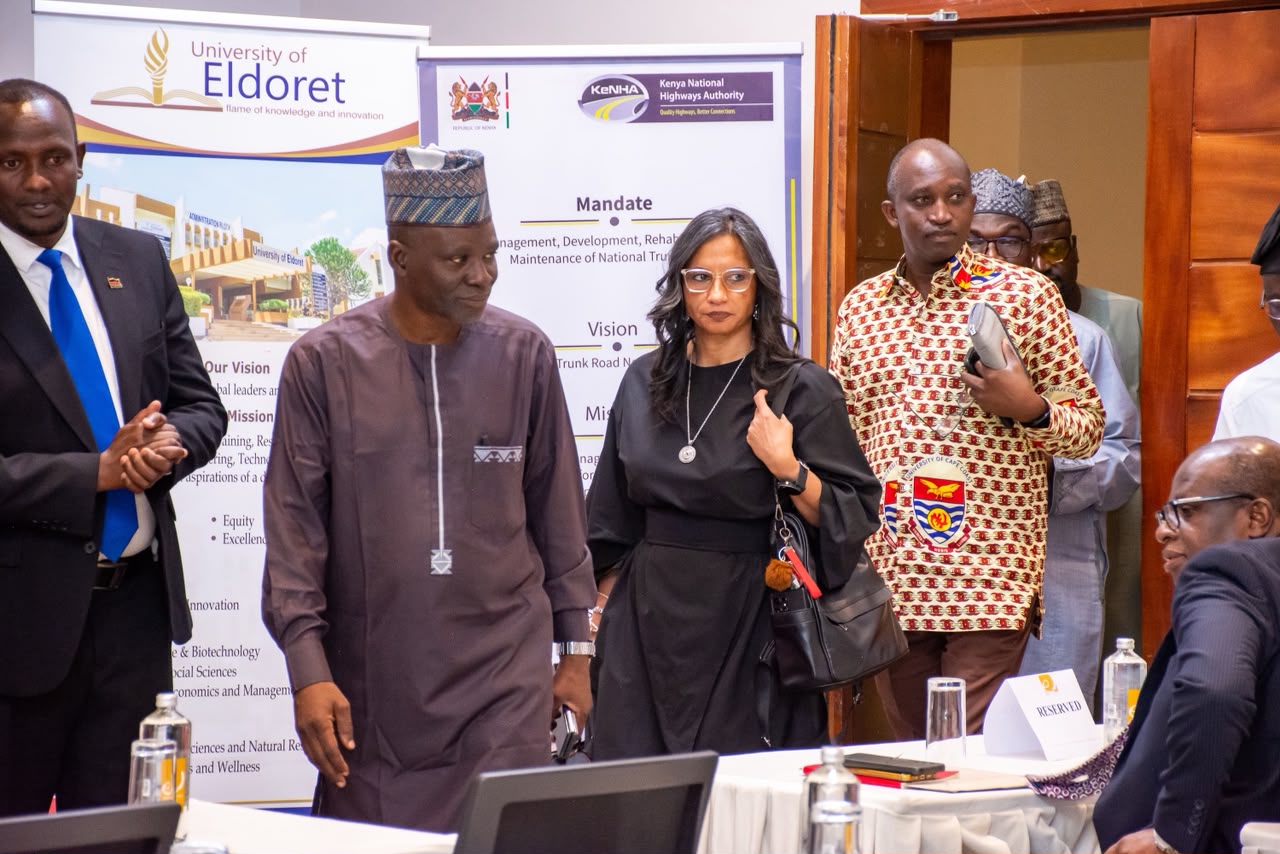
The conference received support from Kenya Airports Authority, CAMCO, Kenya National Highways Authority (KeNHA), Kenya Rural Roads Authority (KeRRA), TVET-CDACC, Kenya Commercial Bank (KCB), TaGDev 2.0 and KenTrade. Chief executives and senior representatives of the sponsoring organisations participated in the conference and delivered remarks, reflecting the importance of stronger partnerships between academia, government and industry. KeRRA, for example, was represented by Director of Road Asset Management Dr Eng. Peter Gichohi on behalf of Director General Eng. J. K. Magondu, Kenya Airports Authority was represented by …., Kenya Highways Authority was represented by …, CAMCO group was represented by …, TVET-CDACC was represented by …, and KENTRADE was represented by … The TAGDEV 2.0 project was represented by Dr. George Ariya on behalf of the coordinator Prof. Julius Ochuodho.
The successful conference and workshops have reinforced the role of African universities as platforms for research, innovation, leadership development and sustainable transformation, while providing renewed momentum for collaboration across the continent.

- Log in to post comments


